Sod Installation & New Lawn Installation
Forest Grove, OR
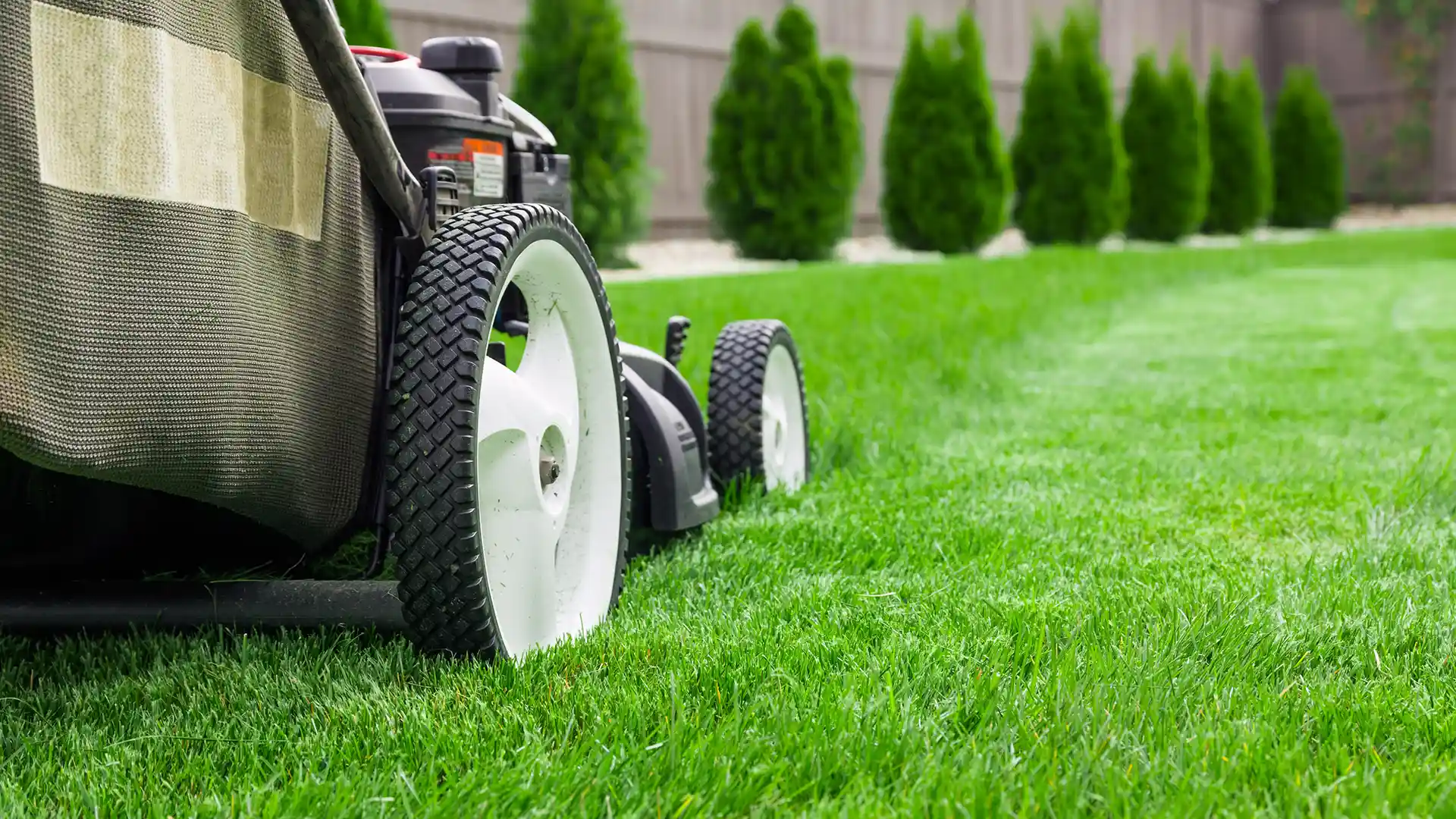 A thick, healthy lawn does more than make a property look cared for. It cools the soil, controls erosion, filters rainwater, and gives a home a finished, welcoming appearance. Whether you are replacing a patchy, weed-choked yard or starting from bare dirt after construction, getting a new lawn established correctly from the beginning saves time, money, and frustration down the road. A thick, healthy lawn does more than make a property look cared for. It cools the soil, controls erosion, filters rainwater, and gives a home a finished, welcoming appearance. Whether you are replacing a patchy, weed-choked yard or starting from bare dirt after construction, getting a new lawn established correctly from the beginning saves time, money, and frustration down the road.
Portland's mix of clay-heavy soil, mild wet winters, and dry summer stretches means a lawn installed without proper preparation often struggles within the first season, showing thin patches, uneven color, or drainage problems that become obvious the first time the rains return. There is more than one way to get a new lawn established, and the right choice depends on your timeline, budget, and how much patience you have for watching grass grow.
How to Go About Installing a New Lawn
There are two main paths to a new lawn: laying sod or seeding from scratch. Both methods can produce a great result, but they differ significantly in cost, timeline, and the amount of early care required. Sod gives you an instant lawn made of pre-grown turf that is rolled out like carpet, while seeding involves spreading grass seed and waiting for it to germinate and fill in over several weeks. Understanding what each process actually involves will help you decide which approach fits your property and your expectations.
Sod Installation
Sod installation starts with preparing the soil. Old grass, weeds, and debris are removed, and the soil is graded and loosened so roots can take hold quickly. A layer of compost or topsoil is often worked in to improve drainage and provide nutrients. Once the bed is ready, rolls of sod are laid in a brick-like pattern, with edges pressed snugly together to avoid visible seams. The sod is then rolled to ensure good soil contact and watered thoroughly within the first 30 minutes of installation.
Benefits of sod:
| • |
Provides an established lawn within a day
|
| • |
Reduces soil erosion almost immediately
|
| • |
Limits weed competition since the grass is already mature
|
| • |
Requires careful watering for the first two to three weeks while roots establish |
Because sod is already mature grass, it can be walked on lightly within a couple of weeks, far sooner than a seeded lawn. The tradeoff is a higher upfront cost and a narrower window for installation, since sod needs to be laid soon after it is cut.
New Lawn Installation
Installing a new lawn from seed follows a similar groundwork process. Soil is tilled, debris is cleared, and amendments are added to support germination. Grass seed suited to the Pacific Northwest climate is then spread evenly, often followed by a thin layer of straw or mulch to hold moisture and protect the seed from birds and wind. Consistent, light watering several times a day is necessary until seedlings emerge, usually within one to three weeks depending on the grass variety and weather.
Considerations for seeding:
| • |
Lower upfront material cost than sod
|
| • |
Allows for a wider variety of grass seed blends
|
| • |
Takes longer to fill in and become walkable
|
| • |
Requires more frequent watering and monitoring in the early stages |
Seeded lawns take longer to mature, often six to eight weeks before they can handle regular foot traffic, but they tend to develop deep, resilient root systems over time since the grass grows directly in place rather than being transplanted.
When to Install a New Lawn
Timing plays a major role in how well a new lawn takes hold. In the Pacific Northwest, early fall is generally the best window for both sod and seed, since cooler temperatures and consistent rainfall reduce heat stress while the soil is still warm enough to encourage root growth.
Spring is the next best option, giving grass a chance to establish before summer heat arrives. Installing a lawn in the heat of summer or during the cold, wet months of winter is possible but typically requires more intensive watering or protection, and results can be less predictable.
Summer installations in particular demand close attention, since new roots dry out quickly under direct sun and high temperatures, while winter installations risk waterlogged soil and slow, uneven germination.
Planning the project around the right season gives the grass the best possible start and reduces how much supplemental care is needed in those first critical weeks.
Making Sure Your New Lawn Grows
Once sod or seed is down, the work is not over. Watering is the single most important factor in those early weeks. Sod needs deep, frequent watering to keep the roots from drying out before they knit into the soil below, while seeded areas need light, frequent moisture to keep the surface from drying between germination cycles.
Mowing should wait until the grass has rooted firmly, and the first few cuts should be light, removing only the top portion of the blade.
Keeping foot traffic, pets, and equipment off the new lawn during this period prevents soil compaction and root damage.
Fertilizing at the right intervals, rather than all at once, supports steady, even growth without overwhelming young roots.
It also helps to watch for weather swings during this stretch. A sudden hot spell can dry out a new lawn faster than expected, while heavy rain can saturate the soil and starve young roots of oxygen, so the watering schedule should adjust as conditions change rather than stay on autopilot. Checking soil moisture by hand a few inches below the surface confirms whether the lawn is getting enough water without overdoing it.
What if the New Lawn Doesn't Grow?
Even with careful preparation, new lawns sometimes struggle. Bare or thin patches can appear due to uneven watering, poor soil contact, shade, drainage issues, or seed that washed away before it had a chance to root. When this happens, the affected areas usually need to be reassessed rather than simply reseeded on top of the problem. That often means checking soil compaction, adjusting the irrigation schedule, amending drainage, or selecting a more shade-tolerant grass variety for problem spots. Catching these issues early and addressing the underlying cause, rather than just patching the surface, gives the lawn a much better chance of filling in evenly the second time around.
Let Santiago Lawn Maintenance Help Your New Lawn Thrive
A successful lawn installation depends on proper soil preparation, the right timing, and consistent care during those critical first weeks. Santiago Lawn Maintenance has helped homeowners install healthy, long-lasting lawns using both sod and seed, and our team knows how to match the right method to your property, your schedule, and your goals. If you are ready to replace a struggling lawn or start fresh on bare ground, or if a previous installation has not taken root the way it should, give us a call at (503) 267-7346 to schedule a consultation. We will walk your property, talk through your options, and get your new lawn off to the strongest possible start. |